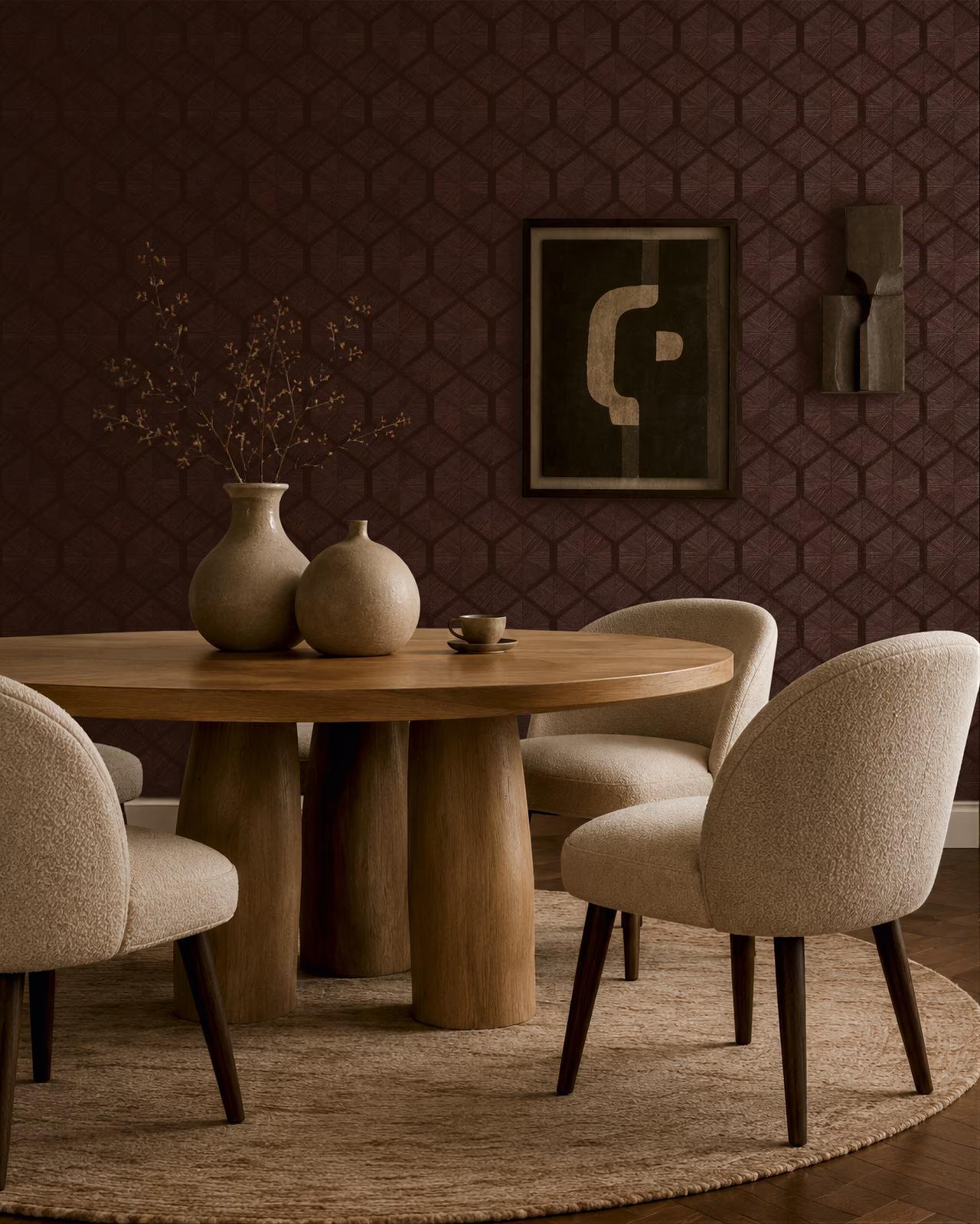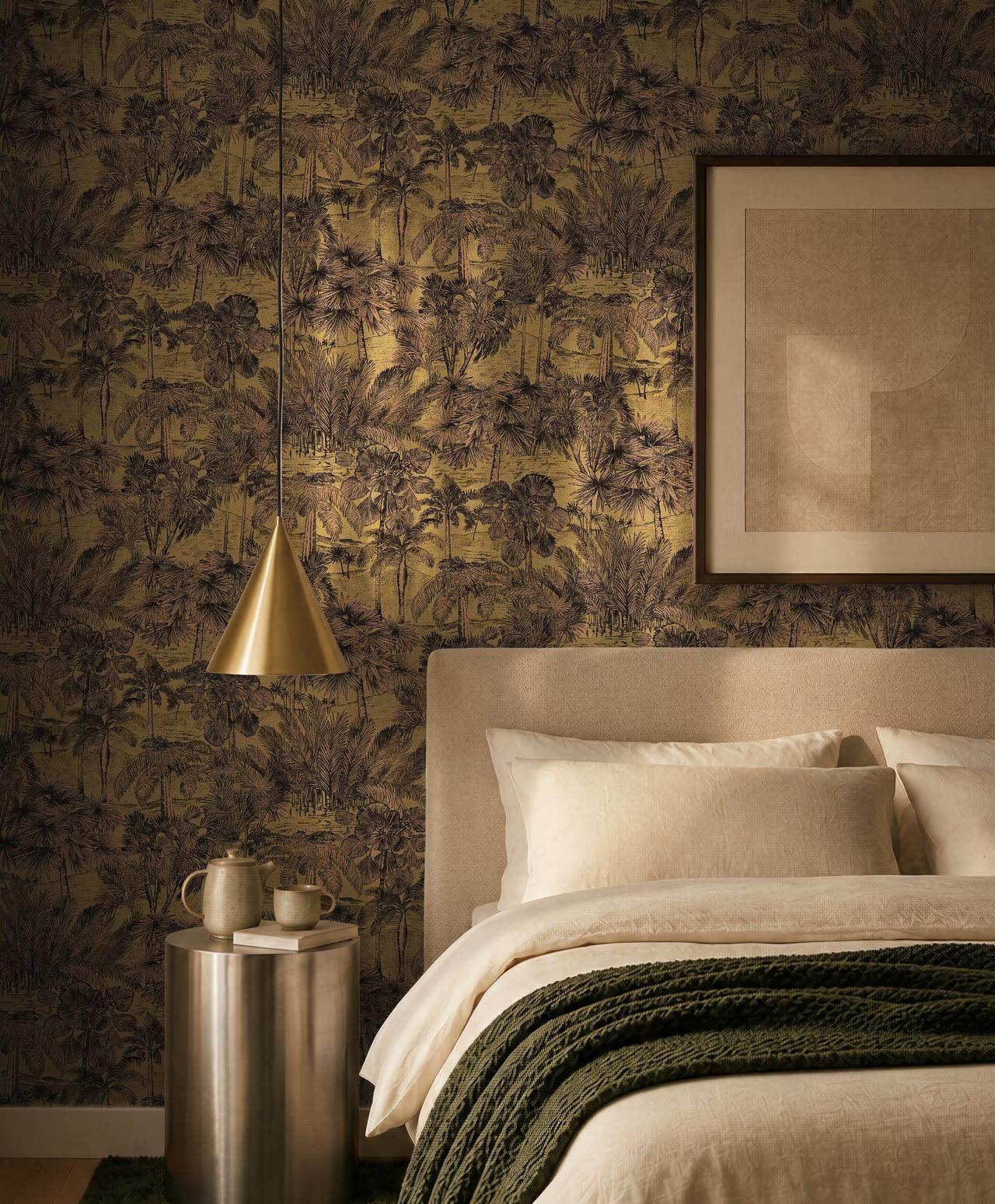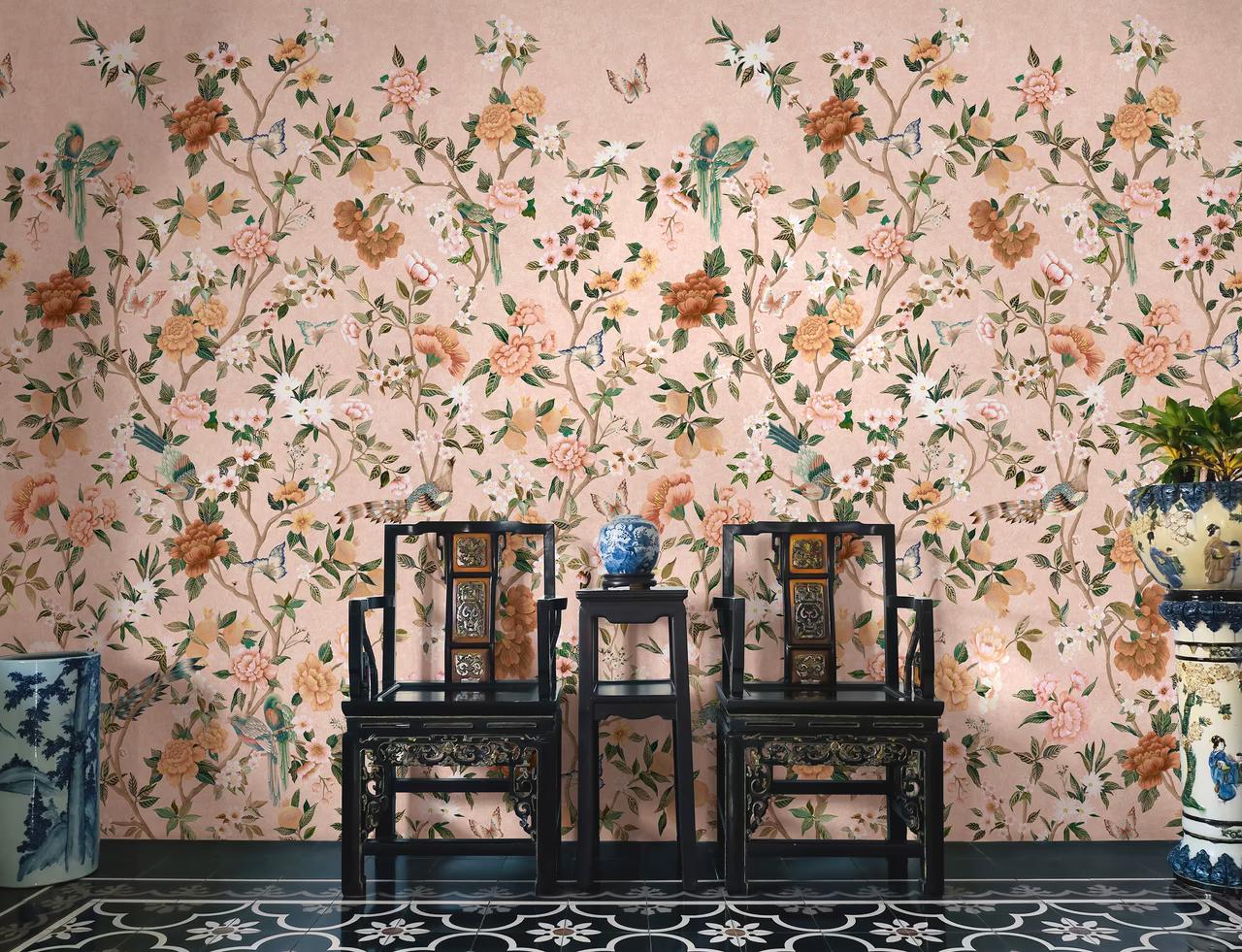
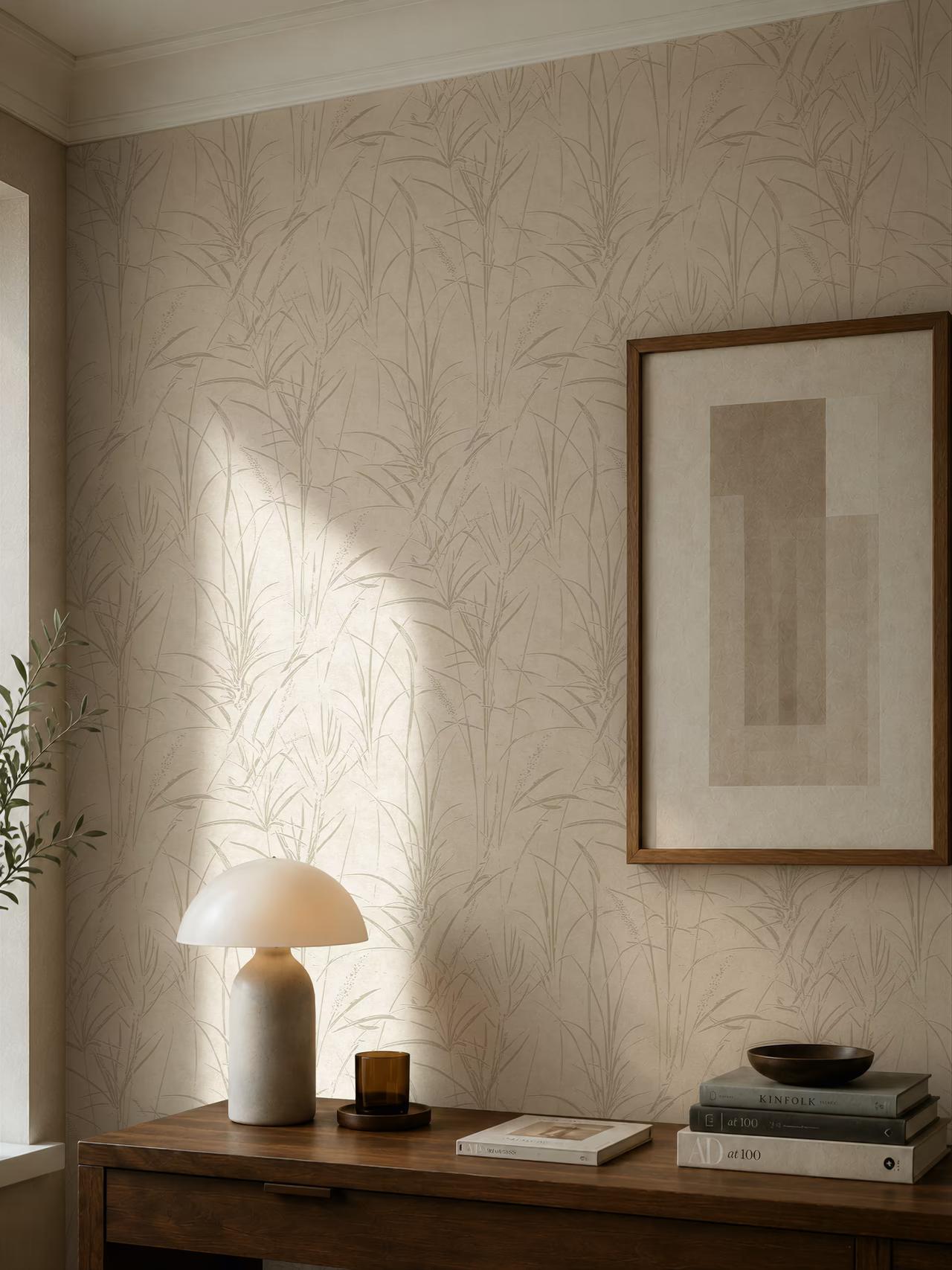
Anywhere from a few years to fifteen, depending on who you ask. Here's why the numbers disagree, how long each type of wallpaper really lasts, what shortens its life in Bangkok, and the signs it's time for a change.
Ask the internet "how long does wallpaper last?" and you'll get an answer. Ask it three times and you'll get three. Retailer pages put it anywhere from a few years to fifteen or more, often without saying which kind of wallpaper they mean.
So who's right? In a way, all of them. The honest answer is that it depends on two things: what the wallpaper is made of, and what the wall around it goes through. Here's how to tell which number applies to yours.
Why the published numbers disagree
Most lifespan figures you'll find are really talking about one material, without saying which. A retailer that mostly sells paper wallpaper will quote a shorter figure. One that sells heavy vinyl will quote a longer one. Both are telling the truth about their own shelves.
The second reason is the room. The same roll will age very differently in a shaded bedroom than on a sunny wall beside a west-facing window. Lifespan isn't printed on the roll like a use-by date; it's something the wall and the room work out between them over the years.
So treat every figure below as a typical range, not a promise. Sources genuinely disagree, and we'd rather tell you that than invent a neat number.
How long each type of wallpaper lasts
Here's a material-by-material guide, from the most delicate to the most durable.
- Traditional paper — roughly 5–10 years. Lovely to look at, but it marks easily and doesn't enjoy being cleaned, so it suits quiet rooms best.
- Vinyl — roughly 10–15 years. Thai shops tend to say 8–12. Either way it's tough and wipeable, which is why it turns up in kitchens, bathrooms and busy hallways.
- Non-woven — as long as vinyl, or longer, in a good room. One retailer claims 15–20 years, though the evidence is thin; its real advantages are that it breathes better than solid vinyl and strips off dry, in whole lengths, when the time eventually comes.
- Commercial "contract" vinyl — roughly 10–15 years for the heavier grade. This fabric-backed vinyl is graded Type I (lighter, for low-traffic rooms) or Type II (heavier, for corridors and lobbies) under the American standard, and one US manufacturer puts Type II at 10–15 years.
- Grasscloth and natural fibres — roughly 10–15 years in the right room. Beautiful and textural, but it can't be scrubbed (water leaves marks and dyes can bleed) and it fades in strong sun, so it belongs somewhere calm and shaded.
- Peel-and-stick — roughly 2–5 years. A short-term option rather than a long-term wall.
If you'd like the long-life end of that list without giving up on colour, non-woven is where we'd usually start. AS Création's The Trend Spectrum is contemporary colour on easy-living non-woven rolls, printed in Germany, and Cuba 2 is non-woven too. Both sit in our premium range.
And if a room calls for something with a little more drama, Versace VI is a metallic, richly textured vinyl with couture pedigree.
What shortens wallpaper's life in Bangkok
Bangkok is not a gentle climate for walls. These are the usual suspects when a wallpaper gives up early.
- Direct sun. Bangkok's afternoon sun does not negotiate. West-facing windows fade wallpaper fastest, especially natural fibres and deep colours, so curtains, sheers or a UV window film are worth having.
- Damp walls and leaks. When water gets behind the paper, the adhesive lets go and seams start to lift. On air-conditioned outside walls, condensation does the same job quietly, which is why a breathable non-woven is usually the safer bet there than solid vinyl; our guide to wallpaper and Bangkok humidity explains the rest.
- Poor wall preparation. No primer, a dusty surface or an uneven wall all mean seams lift years before they should. This is the least glamorous part of the job and the one that matters most, which is why we take it seriously on every installation.
- The wrong cleaning for the material. Scrubbing a paper or grasscloth wall does more damage than the mark ever did. Check the label (more on that below) before you reach for a sponge.
- Everyday scuffing. Hallways, the wall behind dining chairs, and the strip beside a light switch take the most wear. A tougher, wipeable finish earns its keep in those spots.
- The wrong material for the room. Kitchens and bathrooms need wipeable vinyl, not natural fibre. A beautiful grasscloth in a steamy bathroom is a short and expensive romance.
Keep a spare roll or two
The best insurance any papered wall can have is a couple of spare rolls from the same batch. Print batches differ slightly in shade, so a roll bought later rarely matches perfectly. Tuck them away somewhere cool and dry, and a scuffed length years from now becomes an easy fix.
How to read the symbols on a wallpaper label
The little icons on a roll's label tell you more about how it will age than any lifespan figure. Two are worth knowing.
The sun symbol shows lightfastness, which is how well the colour stands up to light. Under the European standard it runs in grades from sufficient through satisfactory, good and very good to excellent. For a sunny room, look for the higher end.
The wave symbol (sometimes with a sponge or brush) shows washability. In rising order: water-resistant, washable, highly washable, scrub-resistant and highly scrub-resistant. A single wave means a gentle dab with a damp cloth; the scrub-resistant grades can take a proper clean.
Neither symbol comes with a number of years attached. Think of them as clues to how a paper will cope with your room, not a countdown.
Signs it's time to replace your wallpaper
Wallpaper rarely fails overnight. It tends to drop hints. Here's what to look for.
- Seams that lift a little more every rainy season.
- Bubbles that keep coming back after being pressed down.
- A faded band where the sun lands each afternoon.
- Stains that won't clean off without damaging the surface.
- A musty smell or dark spots, which point to moisture behind the paper.
- Or simply a look that belongs to another decade. That counts too.
One or two of these doesn't always mean starting again. A lifted seam or a single bubble is often a simple repair, while damage across a whole wall usually isn't. Our guide to wallpaper removal and repair walks through how to tell the difference. And if you're wondering whether to paper again at all, we've weighed up wallpaper versus paint for Bangkok homes too.
Choosing a wallpaper that goes the distance
The longest-lasting wallpaper is the right material on a well-prepared wall, in a room that suits it. Get those three right and the figures above stop being a gamble.
If you're not sure what's on your walls now, or what would last best in a particular room, send us a few photos and tell us which way the windows face. We'll give you an honest view. A design consultation is always free, and you can start here whenever you're ready.
Good to know
Common questions
How long does wallpaper last?
Typically somewhere between 5 and 15 years, depending on the material and the room. Traditional paper sits at the shorter end, while vinyl, non-woven and natural fibres can last 10 to 15 years on a well-prepared wall that isn't battling strong sun or damp.
Does wallpaper last longer than paint?
Often, yes. Paint is commonly refreshed every few years, especially on sunny walls, while a good vinyl or non-woven wallpaper on a properly prepared wall can look right for a decade or more.
Does wallpaper fade in sunlight?
It can, particularly natural fibres and deep colours on west-facing walls that catch the afternoon sun. Check the sun symbol on the label for the lightfastness grade, and use curtains, sheers or UV window film to slow fading.
How long does peel-and-stick wallpaper last?
Roughly 2 to 5 years. It's best treated as a short-term option rather than a long-term wall.
How do I know when wallpaper needs replacing?
Look for seams that lift every rainy season, bubbles that keep returning, a faded band where the sun lands, stains that won't clean, or a musty smell and dark spots. A single lifted seam can often be repaired; damage across the whole wall usually means it's time for new paper.